Understanding Electrical Infrastructure Across Michigan Communities
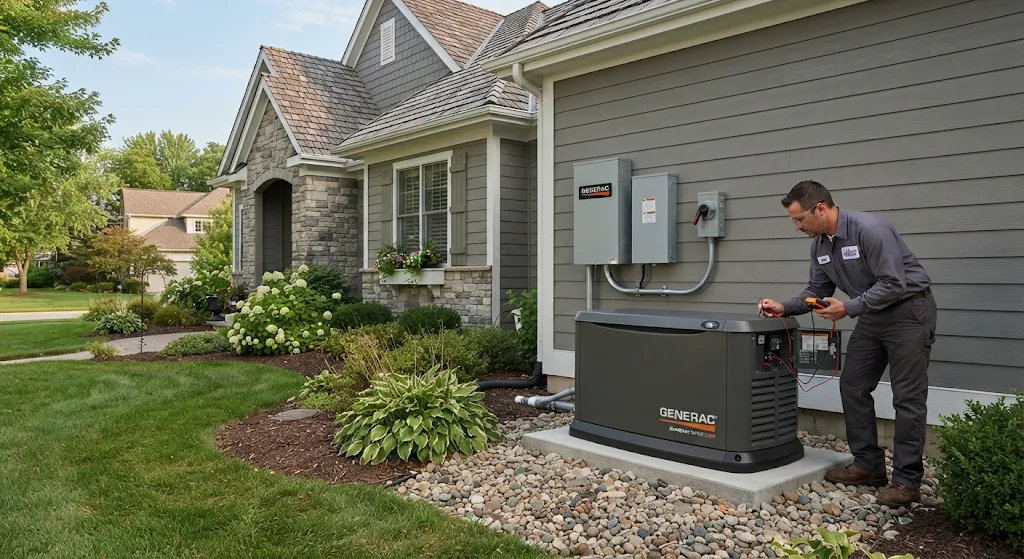
Navigating residential and commercial electrical requirements in the Great Lakes State demands an appreciation of local architectural history and municipal regulatory frameworks. Michigan’s climate—marked by severe winter ice storms, high summer humidity, and lake-effect weather patterns—places considerable physical stress on exterior service drops, meter bases, and outdoor electrical infrastructure.
Common Residential Electrical Upgrades
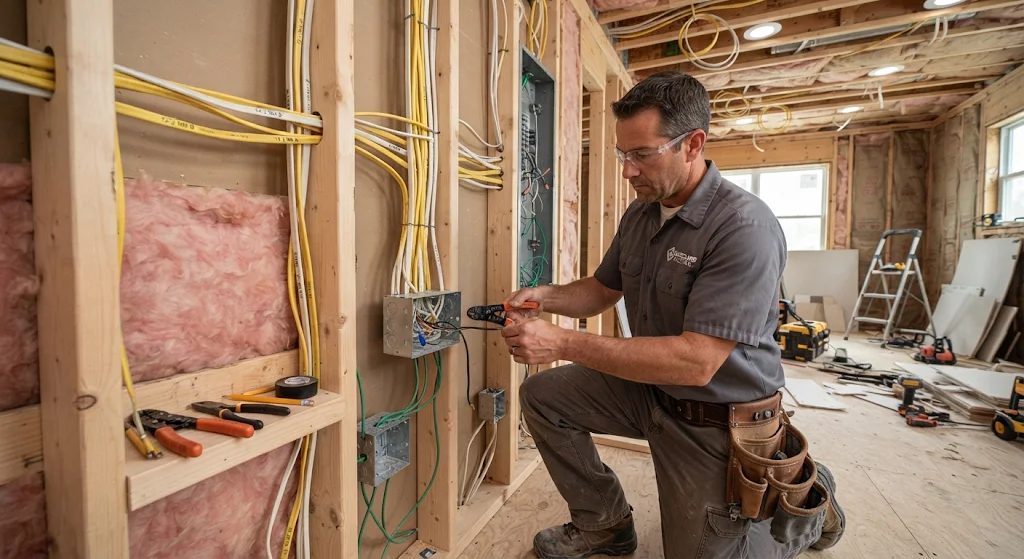
Many homes constructed across Michigan between 1940 and 1975 were originally configured with 60-amp or 100-amp main service capacities. While sufficient for basic mid-century appliance loads, modern residential life routinely exceeds these legacy thresholds. Central air conditioning systems, induction cooking ranges, hybrid heat-pump water heaters, and high-amperage Level 2 EV charging stations typically necessitate a transition to 200-amp or 400-amp main breaker panels.
Upgrading an electrical service entrance requires coordinated permitting with local municipal inspection departments (such as those in Kalamazoo, Flint, Grand Rapids, and Troy) and formal disconnection/reconnection authorization from regional electrical utility providers, including DTE Energy and Consumers Energy. Independent licensed electrical contractors manage these multi-stakeholder workflows to verify that conductor gauges, grounding electrode systems, and surge protective devices (SPDs) align with current National Electrical Code (NEC) standards.
Commercial & Industrial Electrical Coordination
Michigan's industrial heritage—from advanced automotive manufacturing and precision metal stamping to life-science cleanrooms and commercial food processing—relies upon robust three-phase electrical power distribution (typically 480V/277V or 208V/120V). Facility operators require specialized commercial and industrial electricians capable of executing motor control center (MCC) terminations, switchgear preventative maintenance, automated programmable logic controller (PLC) power feeds, and scheduled plant shutdown retooling without compromising operational safety.
Connect with an Independent Michigan Electrical Contractor
Call our dedicated connection dispatch at (888) 605-9975. Speak with our team to route your electrical repair, panel upgrade, or installation project to a qualified independent contractor in your local Michigan community.
Safety Disclosures & Independent Contractor Responsibility
WATT911 is an independent digital connection network. We empower property owners by demystifying electrical trade technicalities and facilitating introductions to independent trade professionals. Every independent electrical contractor operates autonomously and is solely accountable for their professional licensing through the Michigan Department of Licensing and Regulatory Affairs (LARA), municipal permit applications, site safety protocols, pricing terms, and workmanship guarantees. WATT911 does not perform contracting work directly.