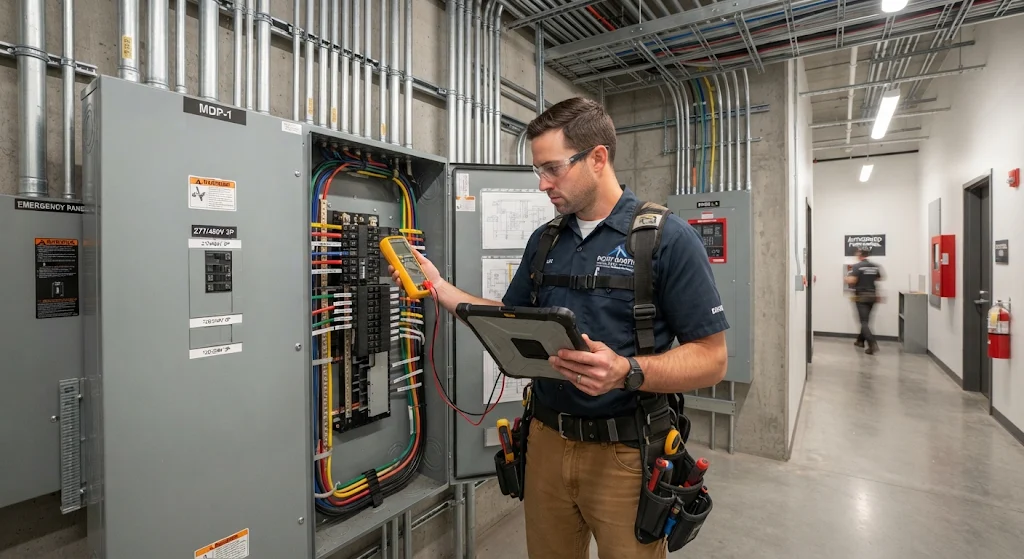
Comprehensive Electrical Wiring & Rewiring Services in Kalamazoo, MI
Electrical wiring distributes electrical energy safely behind walls, through ceilings, and across structural floor joists. In Kalamazoo, the diverse age of residential and commercial structures means that wiring conditions vary dramatically—from modern non-metallic sheathed cable (Romex) with dedicated equipment ground conductors to vintage knob-and-tube or early ungrounded cloth-jacketed wiring.
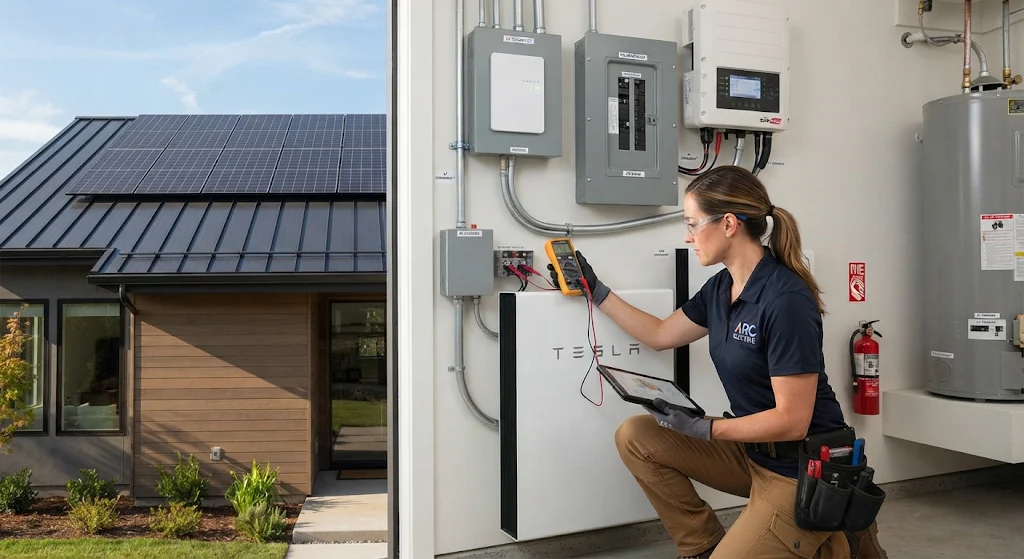
Wiring Warning Signs & Safety Risks
Deteriorated or improperly installed wiring poses hidden fire hazards. Warning indicators include:
- Brittle or Flaking Insulation: Cloth insulation degrades under continuous heat, exposing bare copper conductors to framing lumber and insulation.
- Knob-and-Tube Wiring: Commonly found in homes built before 1950 in Kalamazoo. Knob-and-tube lacks an equipment grounding wire, is rated for lower amperage, and can overheat if covered by modern thermal insulation.
- Aluminum Branch Wiring (Late 1960s – 1970s): Prone to oxidation and thermal expansion that loosens connections at standard switches and receptacles, creating fire hazards unless remediated with approved Al/Cu connectors.
- Lack of Grounding: Two-slot outlets prevent modern three-prong electronics and surge protectors from functioning safely.
Partial vs. Whole-House Rewiring
A partial rewire targets high-demand areas—such as remodeling kitchens, bathrooms, or dedicated workshop areas—adding modern 20A small-appliance circuits and Arc-Fault Circuit-Interrupter (AFCI) protection. Whole-house rewiring systematically replaces all legacy branch circuits with modern copper NM-B cable, installs grounded boxes throughout, and integrates AFCI/GFCI protection across living areas.
Navigating Municipal Permitting in Kalamazoo
Administered by the City of Kalamazoo Community Planning & Economic Development (CPED) Building Division. Electrical permits are strictly mandated for panel upgrades, branch rewiring, and major equipment drops under Michigan Part 8 Electrical Rules. Whole-house rewiring and running new circuits require formal electrical permits and rough-in inspections before drywall is closed, followed by final electrical inspections upon device trim-out.
Modernize Your Electrical Wiring in Kalamazoo
Call WATT911 Michigan connection dispatch at (888) 605-9975. Connect with an independent licensed contractor to assess your home's wiring integrity and receive a professional evaluation.
Safe Installation & Code Compliance
All wiring work must adhere to Michigan Part 8 Electrical Rules and local municipal building codes. Independent contractors use specialized fishing techniques to minimize wall damage during rewires in finished historic homes.
Conductor Sizing, Box Fill Calculations & Remediation Standards
Modern electrical rewiring involves meticulous calculations of wire ampacity, conduit fill, and device box volume. Under NEC Section 314.16, every conductor, clamp, support fitting, device (switch or receptacle), and equipment grounding conductor counts toward total cubic-inch box fill volume. Overcrowding wires into undersized vintage junction boxes causes heat buildup and mechanical damage during device installation, creating prime conditions for dangerous electrical arcing.
When addressing homes with vintage aluminum branch circuit wiring, independent contractors utilize specialized, CPSC-approved remediation techniques. Standard wire nuts and conventional receptacles cannot be attached to aluminum wire due to differing thermal expansion rates and galvanic corrosion between dissimilar metals. Contractors either execute total copper rewiring or utilize calibrated COPALUM or AlumiConn mechanical torque connectors with anti-oxidant paste to permanently terminate copper pigtails onto existing aluminum conductors safely.
Kalamazoo County Grounding Conditions & Utility Interconnects
Kalamazoo’s geological profile—defined by the Kalamazoo River basin with variable glacial outwash soils ranging from coarse gravel deposits in Oshtemo to dense silt plains near Portage Creek—creates unique electrical grounding challenges. Under Michigan Part 8 Electrical Rules and National Electrical Code Section 250.53, standard 8-foot copper-clad ground rods driven into sandy, high-resistivity gravel often fail to achieve the required 25-ohm ground resistance threshold. In neighborhoods like Westnedge Hill and the Stuart Historic District, independent electrical contractors regularly install dual driven grounding electrodes spaced at least 6 feet apart, or bond directly to municipal metallic water service pipes within 5 feet of entrance where continuous metal piping remains intact.
Utility service in Kalamazoo is supplied primarily by Consumers Energy. When upgrading service capacity to 200A or 400A for residential homes or commercial lab facilities along the West Main corridor, contractors must submit an official load letter to Consumers Energy’s West Michigan energy distribution engineers. This ensures that the local pole-mounted transformer and overhead service drop conductors can handle the continuous load without voltage sags or transformer overheating. Commercial installations near Western Michigan University and medical campus facilities along Crosstown Parkway require coordinated service disconnects and arc flash study validations before municipal inspectors approve reconnection.